Saskatoon, Saskatchewan · Rapid diagnostics for bacterial infections
Serious bacterial infections should not wait days for an answer.
MicrobeDX is developing laboratory tests that tell clinicians which bacteria are causing a patient's infection and which antibiotics those bacteria are susceptible to, in hours instead of days. Developed through years of research. Tested in Saskatchewan.
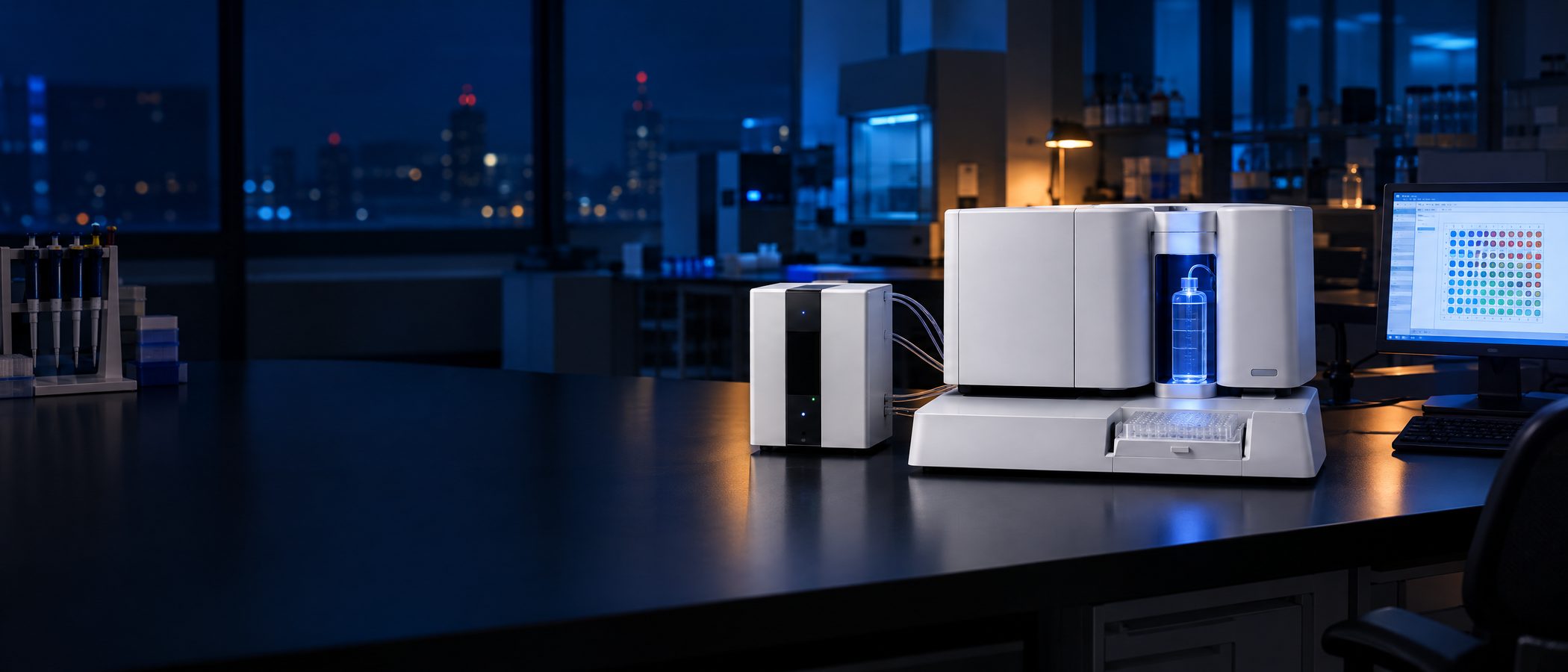
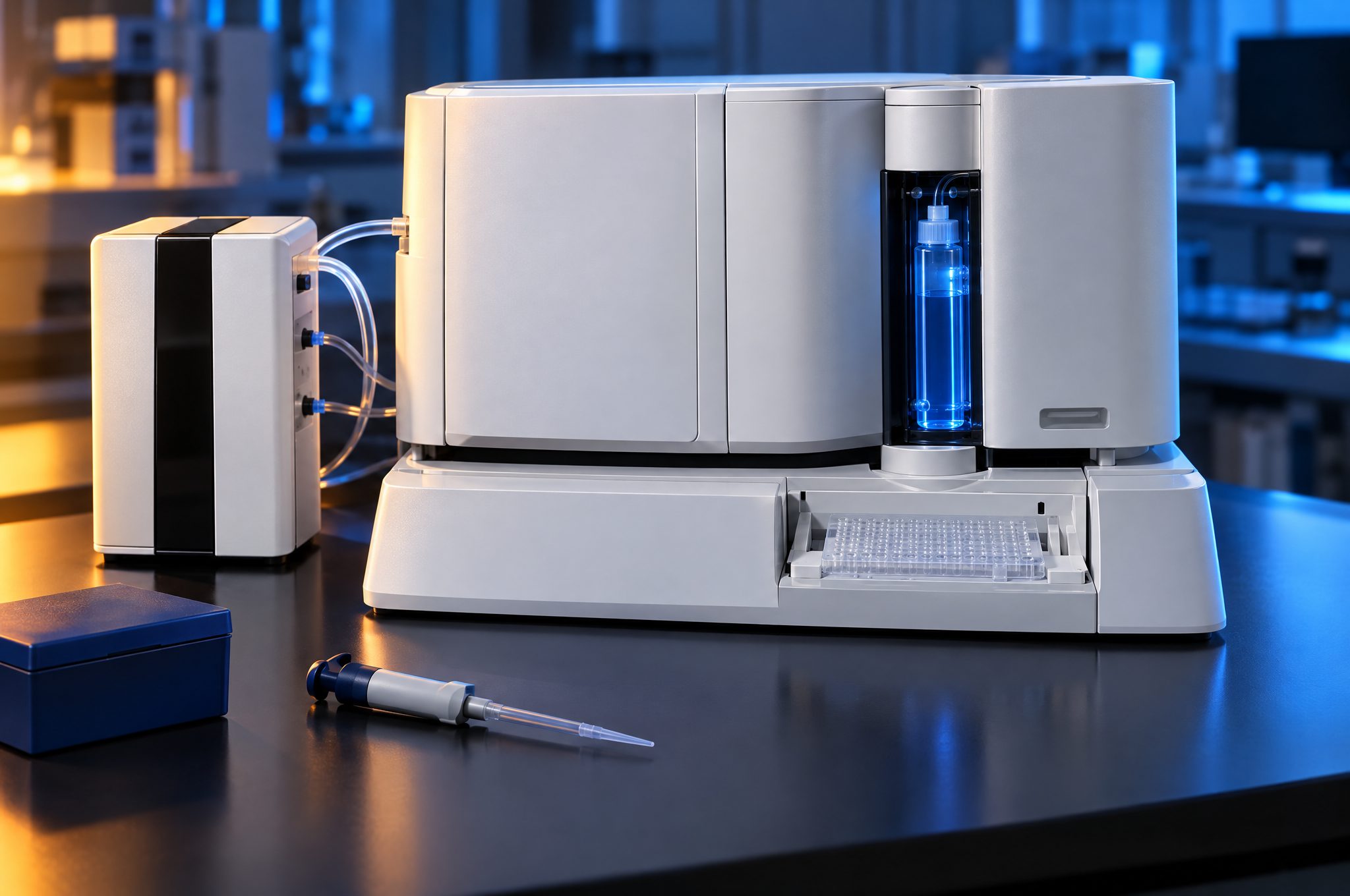
Urine and bloodBacterial infections of the urinary tract and bloodstreamCompatible instrumentsDesigned for Luminex xMAP analysers already in many laboratoriesHospital laboratory evaluationRoyal University Hospital, Saskatoon
Evaluated in Saskatoon
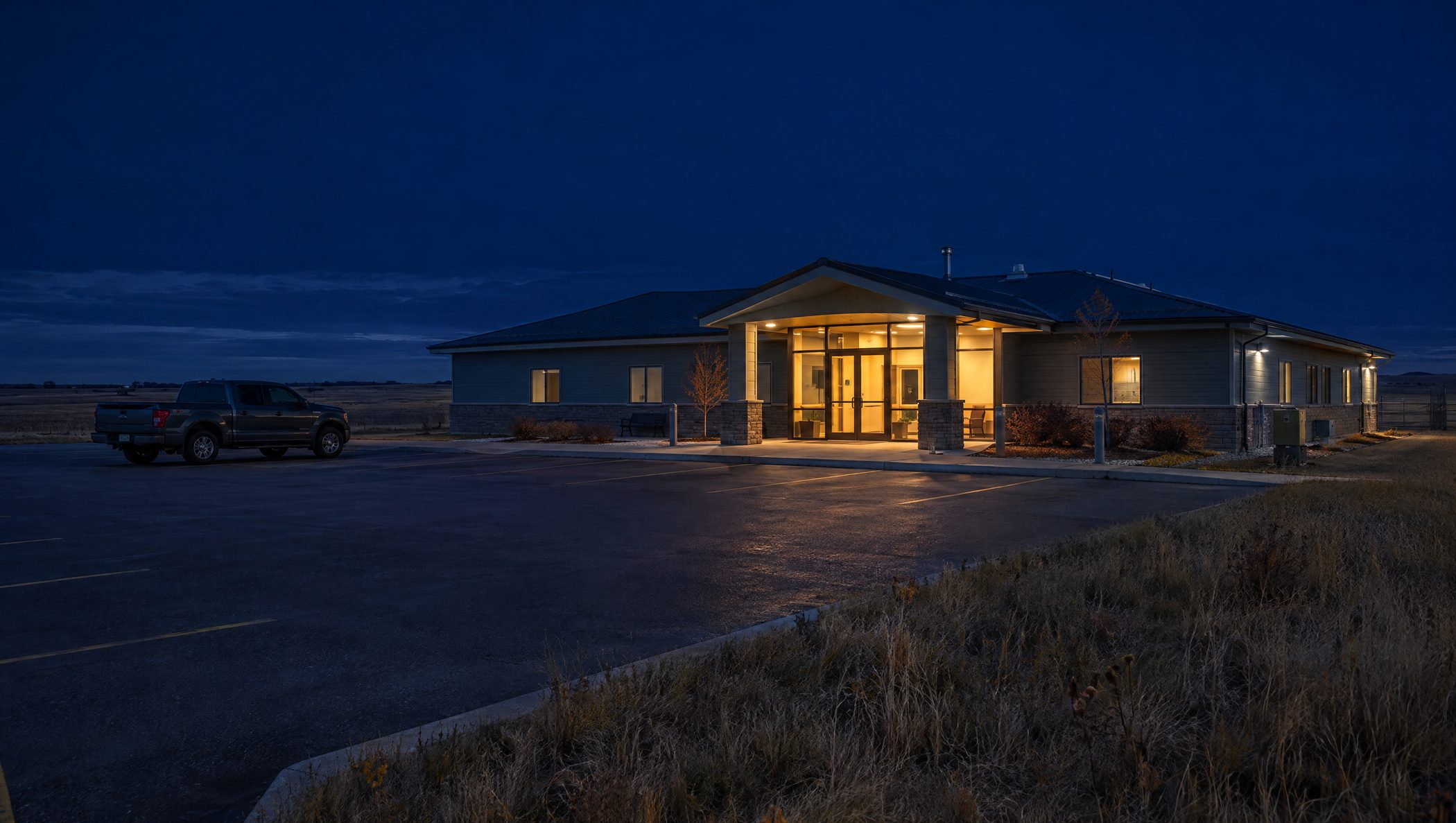
Inside the laboratory at Royal University Hospital.
MicrobeDX's assays were evaluated on patient specimens at Royal University Hospital as part of a three-year Saskatchewan laboratory programme. The work measured bacterial identification, antibiotic susceptibility and turnaround alongside conventional laboratory methods.
3 yearsSaskatchewan laboratory programme, 2021 to 2024
1,400+Urine samples in the programme, collected in 2021 and 2022
226Positive blood cultures in the programme
The evaluation used a legacy instrument. Validation on the Luminex LX200 is now under way. Effects on treatment decisions, hospital stays and costs remain to be studied.
Turnaround
Days today. Hours with MicrobeDX.
Time from a specimen reaching the laboratory to a reportable result for urinary tract infection, as measured in the Saskatchewan programme beside the conventional workflow. Both rows share one scale.
TodayConventional culture
35 h
40 to 171 h
Bacteria identified about 35 hoursAntibiotic susceptibility anywhere from 40 to 171 hours
With MicrobeDXRapidID + RapidAST
5 h
Bacteria identified about 2 h 40 minAntibiotic susceptibility about 5 hours
0 h1 day3 days7 days
Time from specimen received to reportable result, hours
Workflow
Bacteria identified
Antibiotic susceptibility
Conventional culture
about 35
40 to 171
MicrobeDX
about 2.7
about 5
Turnaround measured in the joint laboratory programme in Saskatchewan on the legacy instrument, specimen received to reportable result. Investigational; not licensed by Health Canada for clinical use.
Why the wait matters
What happens during those days
Four consequences of a slow answer.
1The patient waits
A hospital bed stays occupied while the laboratory works.
An admitted patient with a suspected serious bacterial infection often waits for the bacteria to be identified and their susceptibility confirmed before treatment is changed or discharge is considered.
2Treatment starts before results
The first antibiotic is chosen before anyone knows which bacteria are involved.
Initial treatment begins before test results are available and is adjusted later. Sometimes the first antibiotic does not cover the bacteria. Sometimes it is broader than the patient needed, which contributes to antibiotic resistance.
3Rural patients travel
No laboratory on site means the specimen or the patient moves.
In a small hospital without microbiology the sample is couriered to a city and the clock starts again, or the patient is moved to where the answer can be acted on.
4The delay is rarely measured
Turnaround should be measured alongside what it costs.
Diagnostic turnaround for bacterial infection is seldom reported together with its effect on treatment decisions and hospital capacity. Measuring both is the first step toward shortening it.
How it works
Which bacteria. Which antibiotic. One workflow, one shift.
RapidID identifies bacteria. RapidAST measures their response to antibiotics. The assays are designed to use the same specimen on compatible Luminex instruments.
0 hSpecimen arrives
A urine sample, or a blood culture that has turned positive
The specimen enters the laboratory's normal intake. Bloodstream testing starts from the positive culture, not from the patient's blood draw.
2 to 3 hRapidID
Which bacteria are present?
A molecular assay identifies the bacteria by their ribosomal RNA, several species in one run, without waiting for a culture to grow.
about 5 hRapidAST
Which antibiotics are the bacteria susceptible to?
The bacteria are exposed to antibiotics and their growth response is measured directly, so the result reflects what the bacteria actually do rather than only what their genes predict.
Same shiftClinician decides
The prescription follows the result
The clinician who admitted the patient can target treatment before the shift ends, instead of adjusting the initial antibiotic days later.
Built for instruments already in the laboratory
The assays are kit-based and designed for Luminex xMAP instruments already installed in many clinical laboratories, so a laboratory with a compatible instrument can run them on equipment it already operates.
Programme results were generated on a legacy instrument. Validation on the current platform and the applicable regulatory pathway are part of the development programme. Clearance of an instrument does not itself authorize MicrobeDX's assays for clinical use.
How faster results could support Saskatchewan's health-care priorities.
“Modernize laboratory medicine using new technologies to shorten turnaround times.”
Patients First Health Care Plan, Government of Saskatchewan, March 2026.
01
Take pressure off emergency rooms
A same-shift result lets the admitting clinician make treatment and disposition decisions before the shift ends.
02
Free hospital and ICU capacity
Evaluate whether shorter diagnostic waits reduce avoidable bed-days for admitted patients with serious infection.
03
Care closer to home
A small hospital could identify the bacteria and their susceptibility on site, instead of couriering the specimen to a city or transferring the patient.
04
Better care for seniors
Urinary tract infection is among the most common infections in long-term care. A same-day answer supports treating the resident in the home rather than in hospital.
05
Modern laboratory medicine
Rapid molecular identification of bacteria and their antibiotic susceptibility on instruments laboratories already run, with turnaround measured and reported.
Priorities aligned with the published plan. These are objectives for evaluation, not measured outcomes of MicrobeDX's assays.
Where we are
Twenty-five years of work. The next step is a clinical study.
2001
Research group formed to identify bacteria directly by their ribosomal RNA and measure antibiotic response the same day, later supported by NIH grants.
2018
NIH small-business research funding supports the UroLogic system.
2020 to 2024
Operations move to Saskatoon in 2020. A three-year joint laboratory programme follows, with urine specimens collected in 2021 and 2022 plus positive blood cultures.
2026
Assays migrated to the Luminex LX200. A prospective emergency-department study is proposed to measure clinical and health-system effects.
Next
Platform-specific validation, prospective clinical evaluation and the applicable regulatory pathway. No commercial availability date is stated.
Milestones are management-reported; external awards as published by the awarding bodies.